
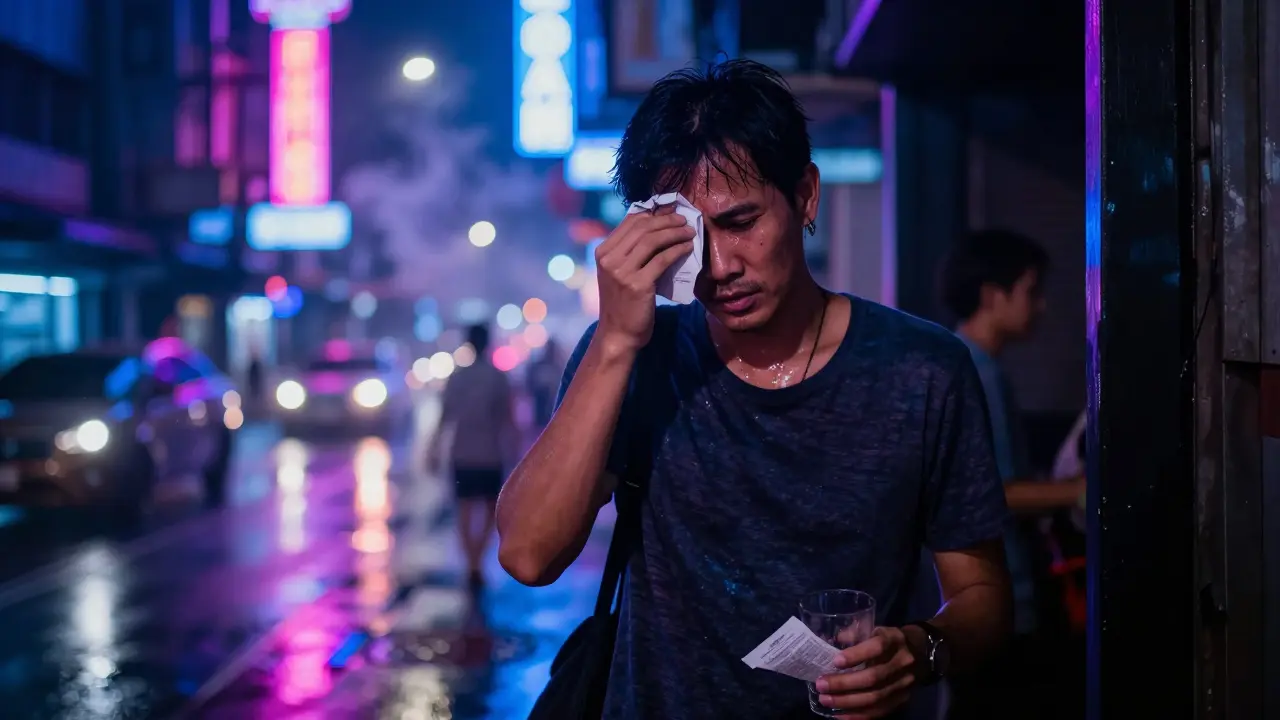
It is 2:30 AM on a Thursday in Bangkok. The humidity hits you like a wall the moment you step out of the club. Your throat feels like sandpaper, your head is pounding, and you realize you haven't had a sip of plain water since dinner. You are not alone. For every tourist navigating the neon-lit streets of Sukhumvit, there is a moment where hydration becomes more urgent than entertainment. The tropical heat combined with alcohol consumption creates a perfect storm for dehydration that can turn a fun night into a miserable morning.
Finding clean, safe water late at night in Thailand is surprisingly easy if you know where to look, but it requires knowing which options are safe and which might make you sick. This guide cuts through the noise to tell you exactly where to get water, how to rehydrate effectively, and what to avoid when you are trying to recover from a long night out in one of Southeast Asia's most vibrant cities.
The Convenience Store Lifeline: 7-Eleven and Family Mart
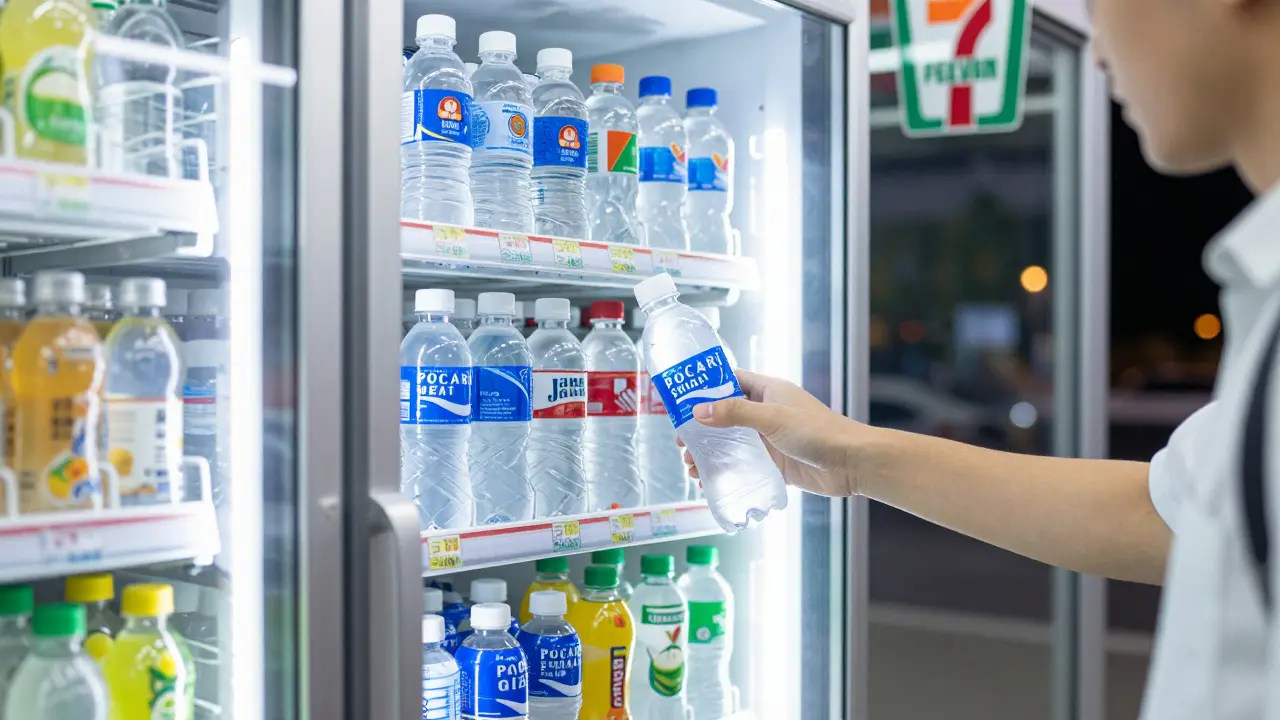
If there is one thing that saves travelers in Bangkok, it is the ubiquitous presence of convenience stores. 7-Eleven is everywhere. They are open 24 hours a day, seven days a week, and they are located on almost every corner of major nightlife districts like Sukhumvit Soi 11, Khao San Road, and Silom. When you need water at 3 AM, this is your first stop.
You have several options here, and choosing the right one matters. Standard bottled water brands like Nam Ha, Singha, or Ciel cost between 10 and 15 THB (roughly $0.30-$0.45 USD). These are sealed, safe, and cold. However, drinking just water isn't enough if you are dehydrated from alcohol. You need electrolytes.
- Isotonic Drinks: Look for Gatorade or local alternatives like Pocari Sweat. Pocari Sweat is a staple in Thailand and works incredibly well for rehydration. It costs around 20-30 THB.
- Coconut Water: Many 7-Elevens sell canned or bottled young coconut water. It is rich in potassium and natural sugars, making it an excellent recovery drink. Expect to pay 25-40 THB.
- Avoid Tap Water: Never ask for tap water in a convenience store or use public fountains. The municipal water supply is treated but not meant for direct drinking without boiling or filtration.
Pro tip: If you see a small ice machine near the counter, do not put your bottle directly into the crushed ice unless it is sealed. Ice machines can sometimes harbor bacteria if not cleaned frequently. Stick to the pre-chilled bottles in the cooler.
Nightlife Districts: Hydration Access by Area
Different parts of Bangkok offer different levels of access to hydration resources. Knowing your district helps you plan your exit strategy before you get too thirsty.
| District | Vibe | Water Availability | Late Night Food Options |
|---|---|---|---|
| Sukhumvit (Soi 11, Thonglor) | Upscale clubs, rooftop bars | High (many 7-Elevens) | Street food carts, late-night cafes |
| Khao San Road | Backpacker hub, loud bars | Very High (dense shops) | Panads, noodle stalls |
| Thonglor/Ekkamai | Trendy lounges, speakeasies | Medium (fewer street vendors) | Gourmet late-night spots |
| RCA (Royal City Avenue) | Massive dance clubs | Low inside venues | Limited outside until early morning |
In upscale areas like Thonglor and Ekkamai, venues like Rabbit Hole or Octave Rooftop Lounge charge premium prices for drinks. A cocktail can run 400-600 THB ($12-$18 USD). While these places serve high-quality beverages, they rarely provide free water refills. You will likely need to buy a drink to stay seated. If you need water, ask politely, but be prepared to pay a markup or leave the venue to find a nearby convenience store.
In contrast, Khao San Road is chaotic but resource-rich. You can buy water from nearly any street vendor. However, always check that the seal on the bottle is intact. Street vendors often sell loose ice or open containers, which pose a health risk.
Rehydration Strategy: What to Drink and When
Drinking water is good, but rehydrating after alcohol requires a specific approach. Alcohol acts as a diuretic, meaning it flushes out fluids and essential minerals faster than usual. In Bangkok's humid climate, you lose additional electrolytes through sweat, even if you don't feel hot.
- Immediate Action: As soon as you leave the club, grab an electrolyte drink. Pocari Sweat or Gatorade works best because it replaces sodium and potassium lost through sweating and urination.
- Follow Up: Once home or back at your hotel, drink a large glass of plain water. This dilutes the remaining alcohol in your system and prevents further dehydration.
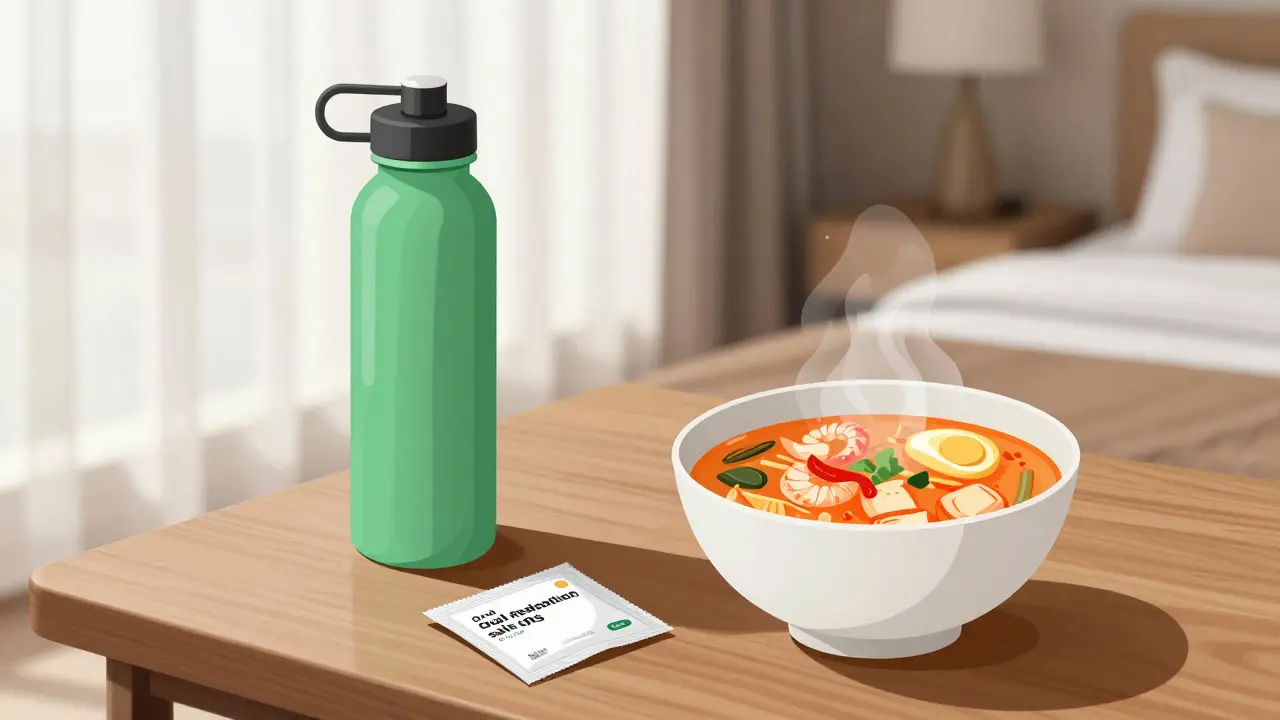
- Electrolyte Tablets: If you want to be proactive, buy ORS (Oral Rehydration Salts) packets from any pharmacy (Watsons or Boots) during the day. They cost about 20 THB per packet. Mix one with a liter of water and drink it slowly over the next few hours.
- Avoid More Alcohol: The "hair of the dog" method does not work. Drinking more beer or whiskey delays recovery and worsens dehydration.
Food also plays a role. Thai street food is delicious, but spicy dishes can irritate an already sensitive stomach. Opt for bland, hydrating foods like Mango Sticky Rice (the coconut milk provides some fats and calories) or a simple bowl of Tom Yum Goong soup, which is warm, salty, and comforting. Avoid heavy fried foods immediately upon returning home.
Safety and Health Risks
Dehydration in a foreign country can escalate quickly if ignored. Symptoms include dizziness, rapid heartbeat, dry mouth, and confusion. In extreme cases, severe dehydration can lead to fainting or heat exhaustion, especially if you are walking outside in the 30°C+ (86°F+) temperatures.
If you feel severely unwell, do not try to tough it out. Bangkok has excellent medical facilities. Hospitals like Bumrungrad International Hospital and Bangkok Hospital have 24-hour emergency rooms and English-speaking staff. For less severe issues, many pharmacies have pharmacists who can recommend over-the-counter remedies for hangovers and dehydration.
Be cautious of "water taxis" or unofficial tuktuk drivers offering rides when you are vulnerable. Always use ride-hailing apps like Grab or Bolt to get home safely. These apps show the driver's details and route, reducing the risk of being taken to an unfamiliar location.
Preventative Tips for Future Nights
The best way to handle hydration is to prevent the problem before it starts. Here are some practical steps:
- Start Early: Drink water throughout the day, not just at night. Aim for 2-3 liters daily.
- Alternate Drinks: For every alcoholic beverage, drink one glass of water. This slows down consumption and keeps you hydrated.
- Carry a Bottle: Buy a reusable water bottle and fill it up at your hotel or a trusted source before heading out. Many hotels provide filtered water dispensers.
- Know Your Limits: Bangkok nights can last until 4 AM. Pace yourself accordingly. If you feel dizzy, sit down and rest immediately.
- Check Expiration Dates: When buying bottled water, glance at the expiration date. While rare, expired products can occur in poorly managed stores.
By planning ahead and knowing where to find safe hydration sources, you can enjoy Bangkok's incredible nightlife without sacrificing your health. The city offers endless energy, but taking care of your body ensures you have the stamina to experience it all.
Can I drink tap water in Bangkok?
No, you should not drink tap water directly. While the water is treated, it may contain contaminants that cause gastrointestinal issues for visitors. Always drink bottled, filtered, or boiled water.
Where can I buy electrolyte drinks late at night?
You can find electrolyte drinks like Pocari Sweat or Gatorade at any 7-Eleven or Family Mart, which are open 24/7. Pharmacies like Watsons and Boots also stock them and remain open until midnight or later in central areas.
Are street vendors safe for buying water?
Only buy sealed bottled water from street vendors. Check the seal carefully. Avoid loose ice or open containers as they may not meet hygiene standards.
What should I eat to help with dehydration?
Opt for light, hydrating foods like soups (Tom Yum), fruits (mango, papaya), and coconut water. Avoid spicy, greasy, or heavily processed foods which can irritate your stomach.
How much does bottled water cost in Bangkok?
A standard 600ml bottle of water costs between 10-15 THB ($0.30-$0.45 USD) at convenience stores. Prices may be higher in clubs or tourist-heavy areas.
Write a comment