
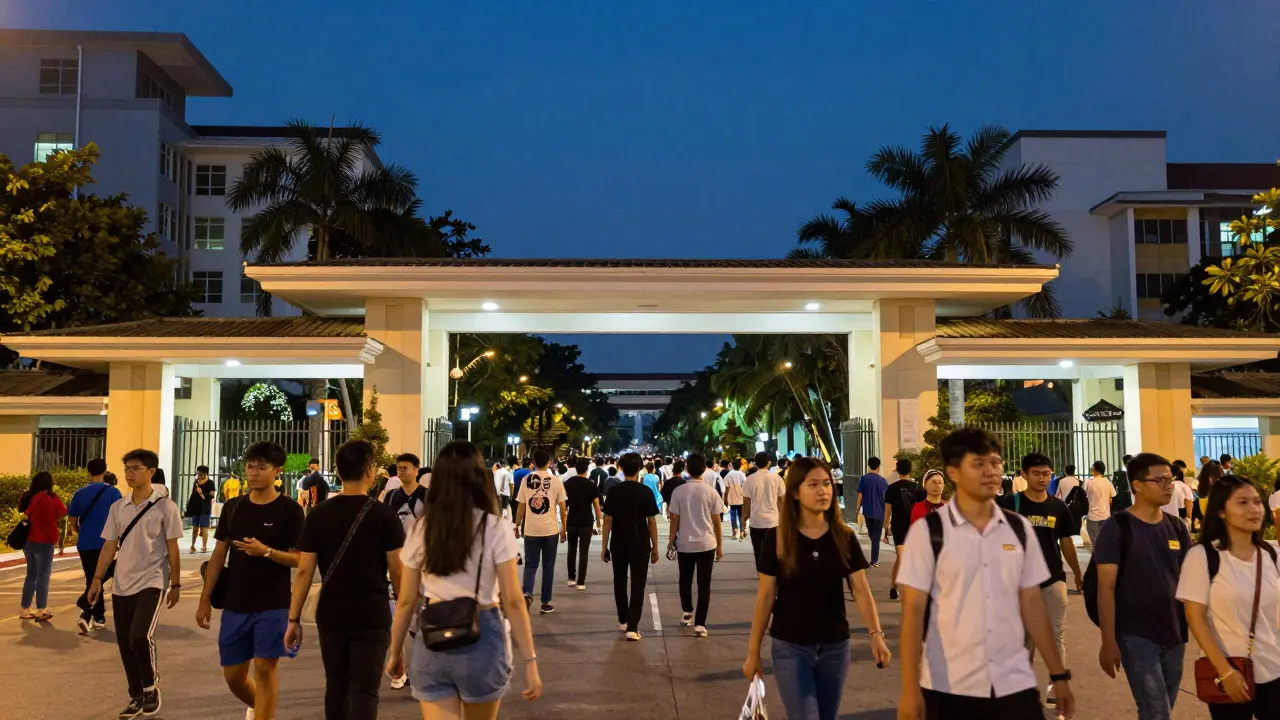
You step off the BTS at Victory Monument or Mo Chit Station, the humid Thai air hits you, and suddenly you see it: a sea of students flowing toward the gates of Bangkok University. It’s Friday night. Classes are done. The semester break is approaching, or maybe just starting. You hear whispers about "Break Nights"-those legendary evenings when the campus transforms from a place of study into a hub of social energy. But what does that actually mean for you? Are the entry lines chaotic? Is it safe? And how do you navigate the crowds without losing your mind?
If you’re new to the scene, whether you’re an international student arriving from abroad or a local visitor curious about Thai university culture, this guide cuts through the noise. We’ll break down the reality of student crowds at Bangkok University during peak social hours, explain how entry lines work, and give you practical tips to stay safe and enjoy the experience.
Understanding "Break Nights" at Bangkok University
First, let’s clear up a common misconception. "Break Nights" isn’t necessarily one single official event with ticketed entry. Instead, it’s a cultural phenomenon. When we talk about Break Nights in the context of Bangkok University, we’re referring to the surge of student activity during specific periods: mid-semester breaks, pre-exam stress relief weeks, and especially during major holidays like Songkran (Thai New Year) or King’s Cup football season weekends.
During these times, the campus doesn’t shut down completely. While administrative offices might close early, the recreational facilities, food courts, and open spaces remain active. Students flock to these areas to decompress. The "crowd" isn’t just inside classrooms; it’s spilling out onto the lawns, gathering around the sports centers, and lining up at popular campus eateries.
For instance, during the Songkran break in April 2026, while the main academic operations paused, the campus remained a vibrant community hub. Students who stayed on campus organized informal gatherings. These aren’t wild raves; they’re social mixers where students from different faculties-Engineering, Business, Fine Arts-interact in a relaxed setting. Understanding this distinction is key to managing your expectations.
The Reality of Student Crowds: Where Do They Go?
When hundreds of students converge on a campus after hours, they don’t just stand randomly. They cluster around specific amenities. Knowing where these hotspots are helps you predict crowd density.
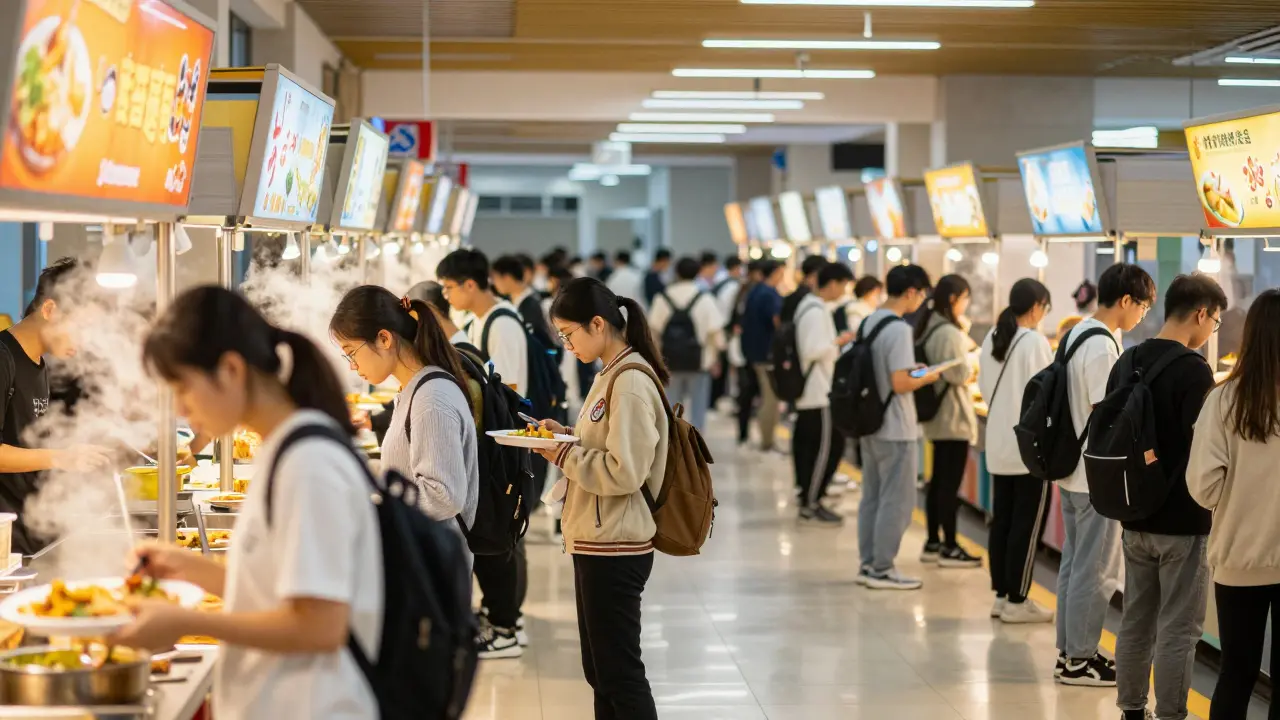
- The Food Courts: This is ground zero. During peak hours (6 PM - 8 PM), lines for popular stalls can stretch back fifty meters. If you want to avoid the queue, eat before 5:30 PM or after 8:30 PM.
- Sports Facilities: Bangkok University boasts extensive sports grounds. At night, these areas fill up with students playing badminton, soccer, or basketball. The lighting attracts people, and the energy is high. Expect shoulder-to-shoulder movement near the entrance kiosks where equipment is rented.
- Open Lawns and Cafés: The "green, creative oasis" described by the university is real. Large groups sit on the grass, sharing speakers and snacks. These areas are less congested but can feel crowded if you’re trying to walk through them quickly.
- Library Lobbies: Even at night, the Surat Osathanugrah Library lobby sees foot traffic. Students hang out here before heading to late-night study sessions or returning to dorms.
The crowd dynamic changes based on the day. Fridays and Saturdays are significantly busier than weekdays. During exam weeks, the crowd shifts from socializing to intense studying, making the library the most crowded spot, not the sports field.
Navigating Entry Lines and Gate Protocols
One of the biggest concerns for visitors and new students is getting in. Bangkok University has strict security protocols, which can create bottlenecks during peak hours. Here’s how the entry process works and how to beat the line.
The ID Check Process
All students must carry their Student Identification Card at all times. Security guards at the main gates perform random checks. During normal days, this takes seconds. During Break Nights or large events, security tightens. Guards may check bags more thoroughly to prevent outside alcohol or unauthorized items from entering.
If you’re a visitor, you cannot enter freely. You must be accompanied by a student who vouches for you, or you need prior approval from the relevant department. Trying to sneak in will result in being turned away immediately.
Beating the Bottleneck
The main gate often has the longest line because it handles both vehicle and pedestrian traffic. Here’s a pro tip: use the secondary pedestrian entrances if available. These are usually located near the sports complex or the faculty buildings. They have shorter queues because fewer people know about them.
Also, time your arrival. Most students arrive between 6:00 PM and 7:00 PM. If you come at 4:30 PM, you’ll find empty seats and short lines. If you come at 9:00 PM, the crowd starts dispersing, and entry becomes easier again.
Transportation Access: Getting There Without the Stress
Crowds don’t just start at the gate; they start on the way there. How you get to Bangkok University affects your entire experience. The university is well-connected, but public transport can get packed.
The most efficient route is via the BTS Skytrain. Two stations serve the area:
- Victory Monument Station: Take Exits 3 or 4. From here, you can catch public vans (No. 85-93) directly to Rangsit. This is the fastest option during rush hour because you bypass road traffic.
- Mo Chit Station: Also take Exits 3 or 4. Public van No. 118-1 operates from here to Rangsit. This route is slightly longer but often less crowded than the Victory Monument vans.
If you’re driving, beware. Parking lots fill up by 6:30 PM on weekends. If you arrive late, you might circle for twenty minutes looking for a spot. In that case, it’s better to park further away and walk, or use ride-hailing apps like Grab to drop you off closer to the entrance.
For international students, remember that complimentary airport pick-up services are available only for specific groups (new undergraduates post-March 2018 and exchange students). Don’t assume you can rely on this for weekend trips. Plan your own transport.
Safety Tips for Navigating Crowds
Large crowds require vigilance. Bangkok University is generally safe, but petty theft and lost items are common in dense environments. Follow these rules to protect yourself.
- Secure Your Phone: Pickpockets target distracted students using phones in food courts. Keep your phone in a front pocket or a zipped bag. Never leave it on a table unattended, even for a second.
- Stay Hydrated: Thai heat doesn’t disappear at night. Dehydration leads to fatigue and poor decision-making. Carry a water bottle. The campus has refill stations, but having your own ensures you never run dry.
- Know Emergency Contacts: Save the number for the International Center (02-4273888 ext. 2436-2437) and local emergency services (191 for police, 1669 for ambulance). If you get separated from your group, head to the nearest security booth or library staff desk.
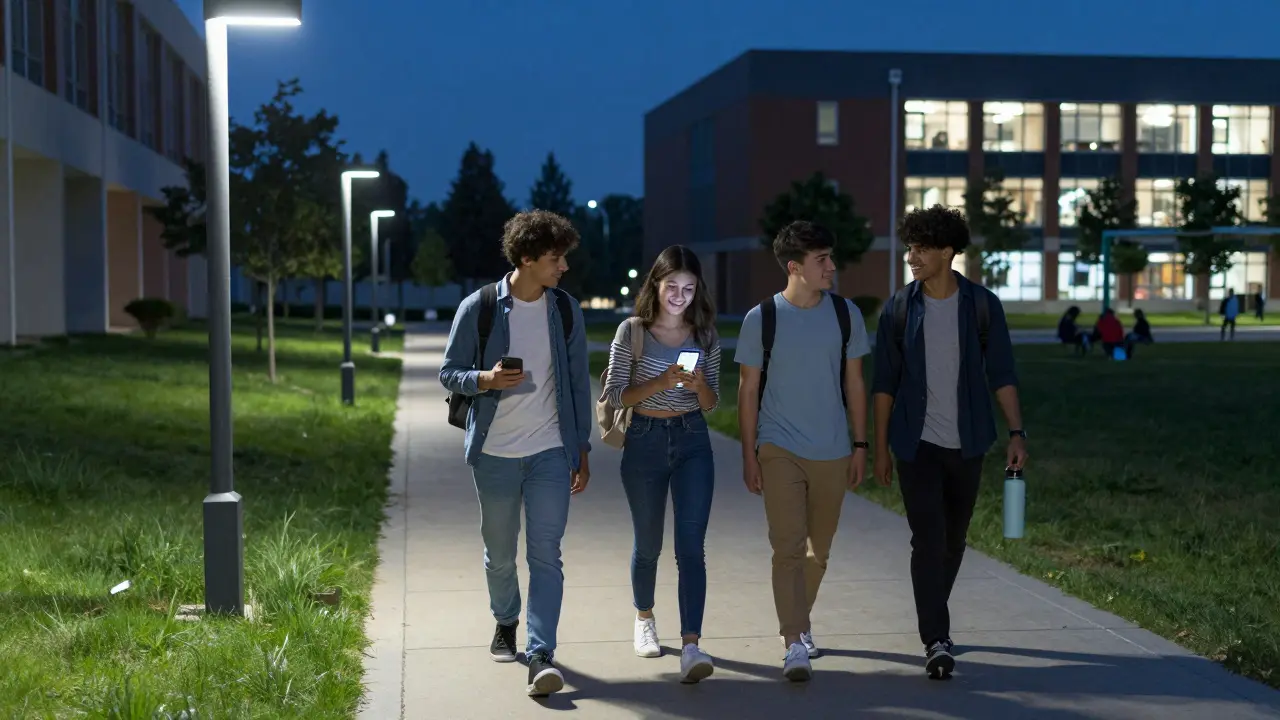
- Avoid Isolated Areas: Stick to well-lit paths. The campus is large, and some corners of the grounds are poorly lit at night. Walk with friends, especially if you’re unfamiliar with the layout.
- Respect Local Customs: Thailand is conservative regarding public behavior. Avoid loud shouting, aggressive gestures, or public intoxication. Respectful behavior ensures you’re welcomed, not targeted.
What to Bring: A Quick Checklist
Being prepared makes the difference between a fun night and a stressful one. Here’s what you should have in your bag:
- Student ID: Non-negotiable. Leave home without it, and you won’t enter.
- Power Bank: Your phone battery drains fast when taking photos and navigating maps. A dead phone means no ride-share app.
- Cashless Payment Ready: As of 2023, Bangkok University does not accept cash for fees. Many campus vendors also prefer QR code payments (PromptPay). Ensure your banking app is loaded.
- Light Jacket: Indoor AC in libraries and cafés can be freezing. A light layer keeps you comfortable when moving between hot outdoors and cold indoors.
- Comfortable Shoes: You’ll walk more than you think. The campus is spread out, and cobblestone paths aren’t ideal for heels or slippery sneakers.
Handling Special Events and Holidays
Some nights are bigger than others. During Songkran, Loy Krathong, or university anniversaries, the crowd dynamics change drastically. These are "mega-events" where the entire campus participates.
On these nights, expect:
- Extended Hours: Facilities may stay open later than usual.
- Increased Security: Bag checks become mandatory for everyone.
- Limited Food Options: Popular stalls sell out early. Have a backup plan for dinner.
- Transport Delays: Public vans may run on special schedules or stop running earlier. Confirm return times before you go out.
If you’re attending a formal event, dress accordingly. Smart casual is the norm. Avoid overly revealing clothing, as it may draw unwanted attention or cause issues with security.
Is Bangkok University open at night?
Yes, parts of the campus remain open at night. Sports facilities, food courts, and library lobbies are accessible until late evening. However, administrative offices and classrooms are locked. Always check the current semester schedule for specific closing times, as they vary during breaks and holidays.
Can visitors enter Bangkok University at night?
Visitors are generally allowed during business hours. After dark, entry is restricted to students and authorized personnel. If you are a guest, you must be accompanied by a student who can verify your identity at the gate. Unauthorized visitors may be denied entry for security reasons.
How busy are the entry lines on weekends?
Entry lines peak between 6:00 PM and 8:00 PM on Fridays and Saturdays. During these times, security checks are thorough, leading to wait times of 10-20 minutes. To avoid delays, arrive before 5:30 PM or after 8:30 PM, or use secondary pedestrian entrances near the sports complex.
What is the best way to get to Bangkok University from downtown?
The BTS Skytrain is the most reliable option. Take the line to Victory Monument or Mo Chit Station, then transfer to public vans (No. 85-93 from Victory Monument or No. 118-1 from Mo Chit) bound for Rangsit. This avoids heavy road traffic and provides a direct route to the campus vicinity.
Are there any cash-only vendors on campus?
Most official university facilities and major food courts accept digital payments via PromptPay or credit cards. However, small independent stalls or street vendors near the campus perimeter may still prefer cash. It’s wise to carry some Baht notes for emergencies, though the university itself is largely cashless.
Is it safe to walk alone on campus at night?
While the campus is generally safe with security patrols, walking alone in isolated areas is not recommended. Stick to well-lit main pathways and populated areas like the library or food court. If you feel unsafe, seek help from nearby security booths or staff members immediately.
Write a comment